

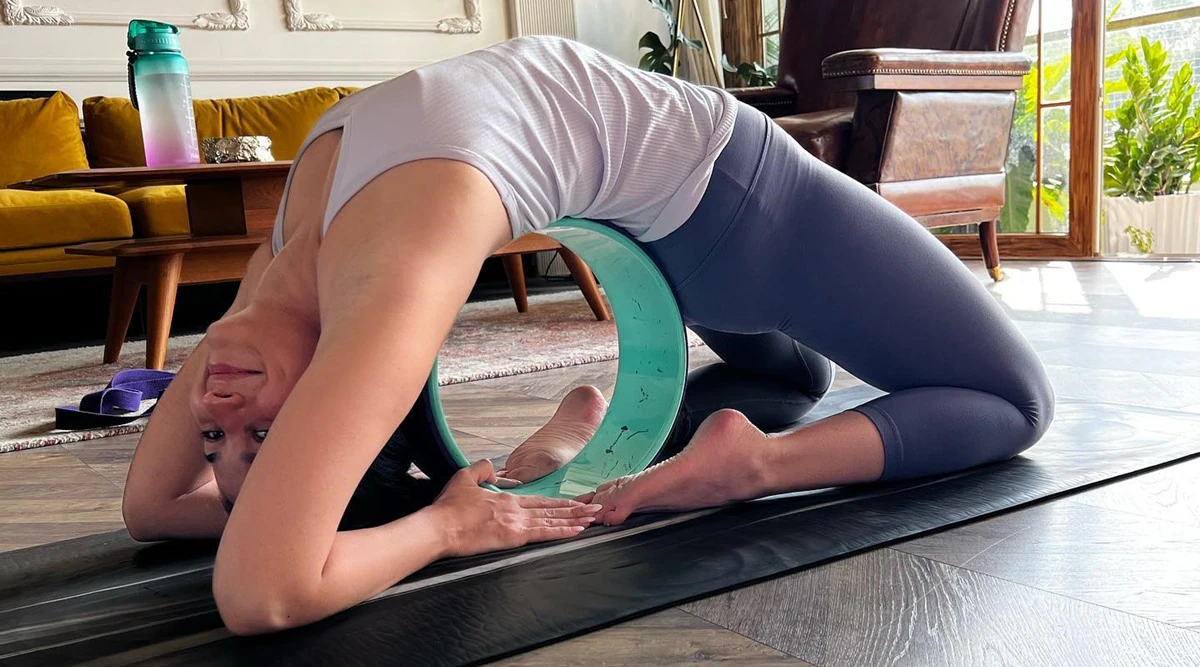
Technology has quietly changed how people understand their bodies. What used to rely on vague feelings like “looser” or “less stiff” can now be observed through patterns, trends, and measurable signals. For practitioners focusing on spinal mobility, joint health, and controlled movement, this shift is especially relevant. When you train with a yoga wheel, progress is often subtle. You are not chasing heavier weights or faster times. Instead, you are improving range of motion, coordination, breathing efficiency, and recovery. Wearable technology can help you see these changes more clearly and train with better awareness.
This article explores how wearables can support yoga wheel practice by tracking mobility-related signals, helping desk workers, active professionals, and dedicated movers understand how their bodies respond over time. The focus is not on competition or performance pressure, but on using data as feedback to support safer, smarter movement.
Why mobility progress is harder to notice without data
Mobility training rarely produces dramatic overnight changes. Improvements happen gradually and often fluctuate based on stress, sleep, hydration, and workload.
The challenge of subjective feedback
Relying only on how you feel can be misleading because:
-
Stiffness can vary day to day
-
Fatigue may mask real progress
-
Stress levels affect body awareness
-
Memory of previous discomfort is unreliable
You might actually be moving better but still feel “tight” because of poor sleep or long workdays. Wearables provide context that helps separate physical adaptation from daily stress noise.
What wearables can realistically track
Wearables do not measure flexibility directly, but they capture signals that correlate with mobility improvements, such as:
-
Heart rate variability
-
Resting heart rate
-
Breathing rate
-
Sleep quality and duration
-
Movement patterns and consistency
Over time, these metrics paint a clearer picture of how mobility training affects your overall system.
Understanding the connection between mobility and nervous system metrics
Mobility work, especially when slow and controlled, strongly influences the nervous system. Yoga wheel sessions often involve supported positions, breath awareness, and gradual range exploration, which tend to shift the body towards recovery and regulation.
Heart rate variability and mobility
Heart rate variability, often shortened to HRV, reflects how adaptable your nervous system is. Higher HRV generally indicates better recovery and resilience.
Why HRV matters for mobility:
-
Gentle mobility training often increases HRV over time
-
Improved HRV suggests better parasympathetic activation
-
Higher HRV can mean reduced muscle guarding
If your HRV trends upward with consistent wheel practice, it often signals that your body is learning to relax into movement rather than resist it.
Resting heart rate as a recovery indicator
Resting heart rate tends to decrease when the body recovers well.
In the context of mobility:
-
A lower resting heart rate may reflect reduced chronic tension
-
It can indicate improved cardiovascular efficiency from better breathing
-
It often pairs with improved sleep quality
Monitoring resting heart rate alongside mobility sessions helps you notice whether your practice supports recovery or adds stress.
Breathing patterns and thoracic mobility insights
Yoga wheel work frequently targets the thoracic spine and ribcage. This directly affects breathing mechanics.
What wearables reveal about breathing
Some wearables track breathing rate during sleep or rest. Changes here can be meaningful.
Signs of improved thoracic mobility include:
-
Slower average breathing rate at rest
-
More stable breathing during sleep
-
Reduced night-time awakenings
As the ribcage becomes more mobile, the diaphragm often moves more efficiently, which wearables can reflect indirectly through breathing metrics.
Linking breath awareness to data
When you combine mindful breathing during wheel-supported backbends with wearable feedback, you start noticing patterns, such as:
-
Better sleep after sessions focused on chest opening
-
Lower night-time heart rate on mobility days
-
Improved morning readiness scores
These patterns help reinforce the value of slow, consistent mobility work.
Tracking consistency rather than intensity
Mobility gains come from regular exposure, not maximum effort. Wearables excel at tracking consistency.
Movement reminders and habit building
Many devices prompt you to move after long periods of inactivity. For desk-based professionals, this is valuable.
You can use reminders to:
-
Stand up and do short thoracic extensions
-
Take breathing breaks
-
Avoid long periods of spinal flexion
These small actions complement formal yoga wheel sessions and support long-term mobility.
Weekly and monthly trends
Instead of focusing on single sessions, look at:
-
Weekly movement minutes
-
Frequency of recovery-focused activities
-
Patterns across busy work periods
When mobility sessions remain consistent even during stressful weeks, wearables often show steadier recovery metrics.
Using wearables to avoid overdoing mobility work
While mobility is gentle, it can still be overdone, especially when enthusiasm is high.
Signs of overreaching in mobility training
Wearables can hint at overload through:
-
Sudden drops in HRV
-
Elevated resting heart rate
-
Poor sleep quality
-
Increased night-time restlessness
If these appear after intense mobility sessions, it may be time to reduce duration or intensity.
Adjusting wheel practice based on data
On days when recovery metrics are low:
-
Focus on supported positions
-
Reduce time spent in deep extension
-
Emphasise breath and relaxation
On days when metrics are strong:
-
Explore slightly larger ranges
-
Add gentle active control drills
-
Extend session length moderately
This adaptive approach respects daily readiness rather than forcing progress.
Mobility tracking for desk workers and hybrid schedules
Desk workers often struggle with inconsistent routines. Wearables help create structure.
Identifying high-risk days
Data can reveal patterns, such as:
-
Poor sleep after late workdays
-
Increased stress during deadline weeks
-
Reduced movement during travel days
Knowing this allows you to plan lighter wheel sessions on high-risk days and more focused sessions when conditions are favourable.
Supporting posture awareness
Some wearables and companion apps track posture or prolonged sitting. While not perfect, they encourage awareness.
When paired with wheel training:
-
You become more conscious of spinal position
-
You recognise when mobility work is most needed
-
You link posture habits to recovery outcomes
This feedback loop reinforces healthy behaviour without guilt.
Long-term mobility trends and ageing well
One of the biggest benefits of mobility training is long-term joint health. Wearables support this by keeping the focus on sustainability.
Mobility and sleep quality over time
As thoracic mobility improves, many people notice:
-
Fewer night-time position changes
-
Less waking due to discomfort
-
More consistent sleep schedules
Wearables capture these changes and help validate that your practice supports long-term wellbeing.
Maintaining joint health without burnout
Because mobility does not create dramatic short-term results, people sometimes abandon it. Data helps maintain motivation by showing subtle but meaningful improvements.
Examples include:
-
Gradual HRV improvement over months
-
Reduced variability in recovery scores
-
More stable energy levels across weeks
These signals often correlate with better joint comfort and resilience.
Using data mindfully without obsession
Technology should support awareness, not create anxiety.
Avoiding data overload
It is easy to check metrics too often. This can backfire.
Healthy guidelines include:
-
Reviewing trends weekly rather than daily
-
Not judging single “bad” days
-
Using data to guide, not dictate, practice
Mobility training thrives on patience and curiosity, not pressure.
Combining subjective and objective feedback
The best approach blends:
-
How your body feels during movement
-
How you recover afterwards
-
What the data shows over time
If both subjective comfort and objective metrics improve, your approach is likely working.
Integrating wearable insights into guided practice
While self-guided practice is valuable, guided instruction helps translate data into action.
In a structured class setting, such as those offered at Yoga Edition, you can learn how to adjust wheel positions, breathing, and pacing based on how your body responds. Over time, you may notice that days with guided mobility work align with improved recovery metrics, reinforcing the role of technique and instruction.
Common misconceptions about wearables and mobility
Misconception 1, wearables replace body awareness
Data supports awareness but cannot replace sensation. Always prioritise how movement feels.
Misconception 2, more data means better progress
Too much information can distract from consistency. Simple trend tracking is often enough.
Misconception 3, mobility gains should show immediate data changes
Some benefits take weeks to reflect in metrics. Patience is essential.
Real-life FAQ
Q: Can wearables really show improvements from yoga wheel training?
A: They cannot measure flexibility directly, but they reflect recovery, stress, and breathing changes that often improve with consistent mobility work.
Q: How long before I see meaningful trends in my data?
A: Most people notice patterns after 3 to 4 weeks of consistent practice, especially in sleep and HRV metrics.
Q: Should I check my wearable data right after a class?
A: It is better to look at overnight and weekly trends rather than immediate post-session numbers.
Q: What if my data worsens after starting mobility work?
A: This can happen if the body is adapting or if intensity is too high. Reduce duration and focus on gentler sessions for a week.
Q: Is mobility training better on rest days or active days?
A: Both can work. Wearables can help you decide by showing how your body responds to different schedules.
Q: Can wearables help prevent injury?
A: Indirectly, yes. Noticing declining recovery metrics early can prompt you to rest or modify practice before pain appears.
Q: Should beginners use wearables for mobility training?
A: They can, but the focus should remain on learning technique and awareness rather than chasing numbers.
Q: Do I need the latest device to track mobility benefits?
A: No. Even basic metrics like sleep duration and resting heart rate can provide useful insights over time.
Comments are closed.