

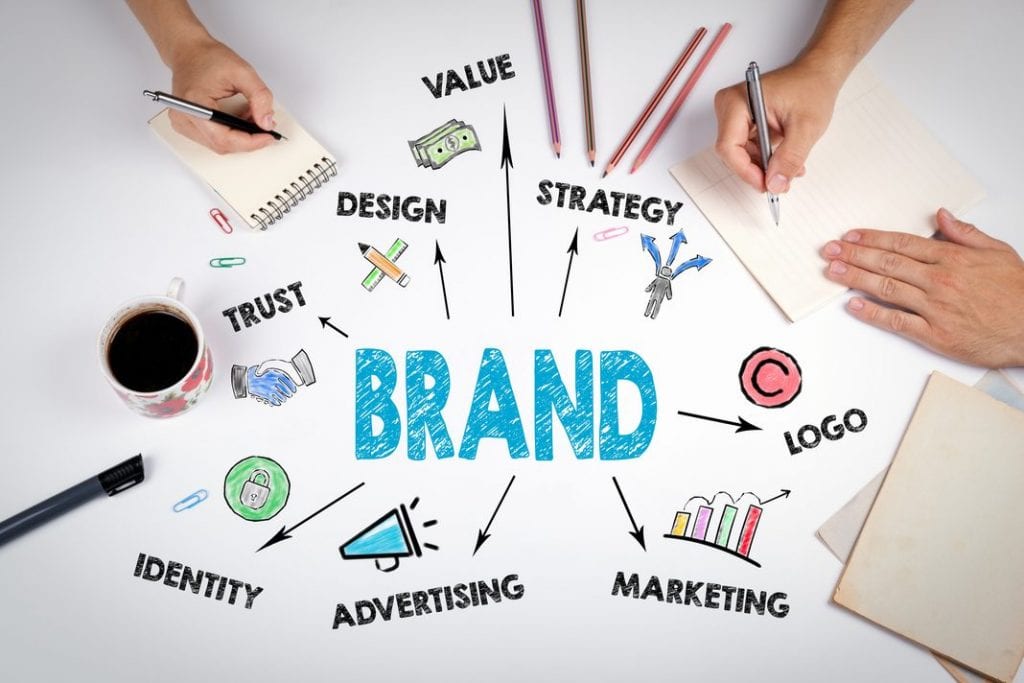
A brand identity is the visual, emotional, and cultural foundation of a business. It encompasses everything from your logo and color palette to your brand voice and core values. It dictates how the public perceives your business, differentiates you from competitors, and builds long-term customer loyalty.
Building a strong brand identity from scratch requires a strategic, step-by-step approach. This guide outlines the essential phases of creating a cohesive, memorable, and human-centric brand identity that resonates with your target audience and drives business growth.
Phase 1: Establish Your Brand Strategy and Core Values
Before designing logos or picking color schemes, you must define the core philosophy of your business. A brand identity built without a strategic foundation is merely a collection of aesthetics that lacks emotional resonance.
Define Your Purpose, Vision, and Mission
Your purpose explains why your business exists beyond making a profit. Your vision represents the future state you want to achieve, while your mission defines the practical steps you will take to get there.
Core Values and Brand Promise
Your core values act as your company’s internal compass. They guide your business decisions, culture, and external communication. Your brand promise is the tangible or intangible value you commit to delivering to your customers in every single interaction. When these elements are clear, your brand identity becomes authentic and easy for consumers to trust.
Phase 2: Conduct Deep Audience and Market Research
A successful brand identity is not built in a vacuum. It must balance your internal vision with external market realities. You need to know exactly who you are speaking to and who you are competing against.
Build Detailed Buyer Personas
To create a brand that speaks to your audience, you must understand their demographics, psychographics, pain points, and motivations. Develop comprehensive buyer personas that outline:
-
Age, occupation, and income level
-
Daily challenges and frustrations related to your industry
-
Personal goals, lifestyle habits, and media consumption
-
What influences their purchasing decisions
Perform a Competitive Analysis
Analyze your direct and indirect competitors to identify what they are doing well and where they are falling short. Look closely at their visual branding, messaging tone, and market positioning. Your goal is to find a unique angle—a Unique Selling Proposition (USP)—that allows your brand to stand out rather than blend into the existing landscape.
Phase 3: Develop the Visual Identity System
Once the strategic groundwork is laid, you can transition into the visual components of your brand. This is the sensory experience that the audience will instantly associate with your business.
Typography
The fonts you select carry distinct psychological weight. Serif fonts project tradition, reliability, and authority. Sans-serif fonts feel modern, clean, and approachable. Script fonts can convey elegance or creativity. Select a primary typeface for headings and a highly legible secondary typeface for body text. Limit your brand to two or three fonts maximum to maintain visual consistency.
Color Palette
Colors evoke immediate psychological and emotional responses. Blue conveys trust and professionalism, red signals energy and passion, green represents growth and sustainability, and black projects luxury and sophistication. Build a cohesive color palette that includes:
-
A dominant brand color
-
One or two supporting accent colors
-
A neutral background color (like an off-white, grey, or charcoal)
Logo Design
Your logo is the ultimate symbol of your brand, but it does not need to tell your entire company story in a single icon. The best logos are simple, memorable, scalable, and versatile. Ensure your logo design looks equally professional on a tiny smartphone screen, a business card, or a massive billboard. Create variations of your logo, including a primary lockup, a horizontal layout, and a simplified sub-mark or icon for social media profiles.
Phase 4: Craft Your Brand Voice and Messaging Architecture
Branding is as much about how you speak as it is about how you look. Your brand voice should reflect your personality and remain consistent across every communication channel, from your website copy to social media captions and customer support emails.
Establish a Tone of Voice
Define the personality of your brand using specific attributes. Is your brand authoritative or playful? Is it highly technical and serious, or conversational and witty? For instance, if your brand is approachable and educational, your copy should use simple language, warm greetings, and clear explanations rather than dense corporate jargon.
Create a Messaging Architecture
Develop standard messaging frameworks that your team can use across different platforms. This includes:
-
The Tagline: A short, memorable phrase that captures the essence of your brand.
-
The Elevator Pitch: A two-to-three-sentence summary of what you do, who you serve, and why you are different.
-
Brand Story: A compelling narrative that explains the origin of the business, the obstacles overcome, and the ultimate mission to help the customer.
Phase 5: Implement and Maintain Brand Consistency
A brilliant brand identity is useless without strict consistency. Inconsistency erodes consumer trust and dilutes brand recognition.
Document a Comprehensive Brand Style Guide
Compile all your strategic, visual, and verbal rules into a single, accessible document known as a brand style guide or brand manual. This document should explicitly outline:
-
Proper and improper logo usage (including spacing rules and color restrictions)
-
Exact color codes (HEX, RGB, and CMYK)
-
Font hierarchies and spacing guidelines
-
Editorial guidelines and voice examples
-
Image and photography styles (e.g., bright and airy vs. moody and high-contrast)
Apply Branding Across All Touchpoints
Audit every customer touchpoint to ensure total alignment with your new brand identity. This includes your official website, packaging materials, email newsletters, invoice templates, employee uniforms, and physical storefronts.
Frequently Asked Questions
What is the difference between a brand and a brand identity?
A brand is the emotional perception and reputation that consumers hold regarding your business. A brand identity consists of the tangible, visible components that you create—such as your logo, typography, color palette, and voice—to intentionally shape and influence that customer perception.
How long does it typically take to build a brand identity from scratch?
A comprehensive brand identity process generally takes anywhere from four to twelve weeks. This timeframe accounts for the foundational research, strategic positioning, creative concept development, revisions, and the final production of your brand guidelines and marketing assets.
Can a small business or startup build a brand identity without hiring an expensive agency?
Yes. Startups can build a compelling brand identity by focusing on simplicity, consistency, and authenticity. By deeply understanding their target audience, utilizing clean typography, choosing a structured color palette, and documenting their brand rules, small businesses can project a highly professional image without a massive creative budget.
How many colors should be included in a standard brand palette?
A standard brand color palette should ideally consist of three to five colors. This typically includes one dominant primary color, one or two secondary accent colors to highlight important elements, and one or two neutral tones for backgrounds and text. Keeping the palette limited ensures visual harmony and prevents brand materials from looking cluttered.
When should a business consider a rebranding process?
A business should consider rebranding if its current identity no longer reflects its actual services, if it is expanding into completely new markets, if the original design looks significantly outdated, or if it needs to distance itself from negative public perceptions. Rebranding should always be driven by strategic business shifts rather than a simple desire for aesthetic change.
How does an established brand identity impact marketing return on investment?
A strong brand identity increases marketing efficiency by making your advertisements and content immediately recognizable to your target audience. When consumers already trust and recognize your brand identity, they require less convincing, which lowers customer acquisition costs and improves overall conversion rates.
Brand Identity Architecture Overview
The following layout illustrates the core structural elements required to move from abstract strategy to tangible execution:
Comments are closed.