

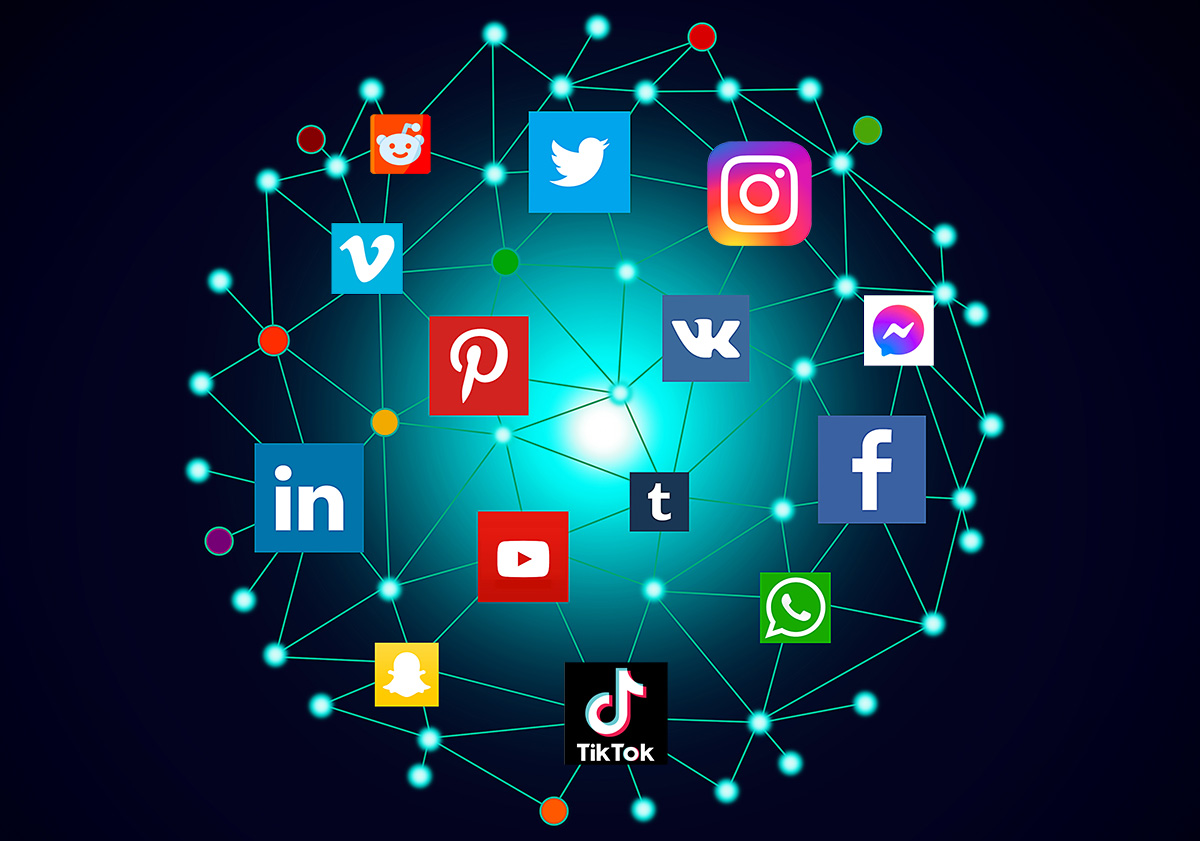
Social media has become an indelible part of modern life, shaping the way we communicate, consume information, and even define ourselves. What began as a simple tool for connecting friends and sharing personal updates has evolved into a vast, multifaceted network that influences everything from politics and business to culture and mental health. As of today, billions of people around the world use platforms like Facebook, Instagram, Twitter, LinkedIn, and TikTok to engage with each other, express their identities, and interact with the world in ways that were previously unimaginable. The significance of social media in shaping society cannot be overstated, yet the power it wields comes with both profound advantages and significant risks.
The Emergence of Social Media: From Connection to Influence
The origins of social media trace back to the early 2000s, with platforms like Friendster and MySpace attempting to connect individuals within digital communities. However, it was Facebook, launched in 2004, that truly revolutionized the social media landscape. Initially created for university students to stay in touch, Facebook rapidly expanded and became a global platform that allowed users to share photos, thoughts, and life events. As its popularity grew, so did the range of platforms designed for different aspects of online interaction. Twitter, launched in 2006, introduced microblogging, enabling users to share short, impactful messages with a broader audience. Instagram, acquired by Facebook in 2012, capitalized on the growing trend of visual content, allowing people to curate their lives through images and videos.
These platforms were initially hailed as tools for democratizing communication, giving everyone a voice and providing unprecedented access to information. Social media connected the world, enabling people to communicate instantly across borders, share ideas, and form virtual communities. It was a new era of connectivity, where anyone with an internet connection could participate in the global conversation.
However, as these platforms have evolved, their role in society has become far more complex. Social media is no longer simply a space for sharing updates with friends; it has become a powerful engine for influence, marketing, and even social change. The lines between personal life, public life, and business have blurred as individuals, brands, and governments use social media to shape perceptions, spread messages, and drive engagement.
The Positive Impact of Social Media: Empowerment, Connection, and Opportunity
When used thoughtfully, social media can be a powerful force for good. It provides opportunities for self-expression, connects people across vast distances, and has become a crucial tool for social activism. For individuals, social media platforms offer a space to showcase creativity, share passions, and connect with others who share similar interests. Influencers, artists, and content creators have leveraged platforms like Instagram and YouTube to build careers, promote causes, and create content that resonates with global audiences. The democratization of media has given rise to an entire industry of independent creators who might have previously been sidelined in traditional media industries.
Social media has also played a crucial role in modern social movements. Platforms like Twitter and Instagram have been instrumental in organizing protests, raising awareness about issues such as climate change, racial injustice, and gender equality, and mobilizing people to take action. The #MeToo movement, Black Lives Matter, and the Arab Spring are just a few examples of how social media has helped amplify voices that have long been marginalized, creating space for change in societies around the world. In this sense, social media has redefined activism, making it possible to rally support, share information, and foster solidarity with just a few clicks.
Moreover, social media has opened up new avenues for business and entrepreneurship. Companies now use these platforms to market products, build brands, and interact with customers in real-time. For small businesses and startups, social media has leveled the playing field, enabling them to reach a global audience without the need for large advertising budgets. Platforms like LinkedIn have also transformed professional networking, offering individuals the opportunity to connect with potential employers, collaborators, and mentors in ways that were once restricted to traditional career fairs and industry conferences.
The Dark Side of Social Media: Misinformation, Mental Health, and Polarization
Despite the numerous benefits, the rise of social media has also introduced a host of challenges that cannot be ignored. One of the most significant concerns is the spread of misinformation. Social media platforms, with their algorithms designed to prioritize engagement, can amplify misleading or false information, sometimes with catastrophic consequences. From political disinformation campaigns to conspiracy theories about public health, the unchecked spread of false narratives has led to real-world harm, eroding trust in institutions, and fostering division.
The COVID-19 pandemic, for example, underscored the dangers of misinformation on social media. False claims about the virus, vaccines, and government responses spread like wildfire across platforms, leading to confusion and even violence in some cases. The viral nature of these platforms means that misinformation can travel faster than fact-checking or debunking efforts, often leaving damage in its wake before any corrective action can be taken.
Social media also raises serious concerns about mental health. While it offers a space for connection and community, it has been linked to feelings of loneliness, anxiety, and depression, particularly among young people. The constant comparison to idealized representations of others’ lives—often curated and filtered for maximum appeal—can foster a sense of inadequacy and insecurity. The pressure to present a perfect, polished version of oneself can be overwhelming, especially in a culture that values likes, shares, and comments as a measure of personal worth.
Research has shown that heavy social media use can contribute to a decline in self-esteem, as individuals begin to internalize the unrealistic standards set by influencers and celebrities. The constant barrage of information and the addictive nature of these platforms have also been associated with decreased attention spans, sleep disruption, and increased stress. While social media offers instant gratification and a sense of belonging, it also creates an environment where self-worth is increasingly tied to online validation rather than real-world achievements or relationships.
Another significant issue is the polarization and fragmentation of public discourse. Social media algorithms are designed to show users content that aligns with their interests and preferences, which can create echo chambers where individuals are exposed only to viewpoints that reinforce their existing beliefs. This “filter bubble” effect can lead to increased political polarization, as users become more entrenched in their views and less willing to engage with opposing perspectives. In extreme cases, this can foster division, distrust, and even hostility between groups, making meaningful dialogue and compromise increasingly difficult.
The Future of Social Media: A Call for Responsibility and Reflection
As social media continues to evolve, it is crucial that we reflect on its impact and strive for more responsible use. For users, this means being mindful of the information they consume and share, while also recognizing the importance of mental health and self-care in the digital age. Platforms, too, must take greater responsibility for the content that is disseminated on their networks. Addressing issues such as misinformation, hate speech, and data privacy will require a collective effort from tech companies, policymakers, and society at large. Governments around the world are beginning to consider more robust regulations to hold social media platforms accountable, but meaningful change will only come through collaboration and a commitment to creating safer, healthier online spaces.
Ultimately, social media is a tool—a tool that can be used for both good and ill. The key lies in how we choose to engage with it. As individuals, we must be proactive in using social media to foster connection, share knowledge, and support positive change. At the same time, we must remain vigilant about the potential pitfalls and challenges that come with it. In navigating this digital landscape, we have the power to shape a future where social media serves as a force for good—a place where connection, empowerment, and responsibility can coexist.
Comments are closed.