

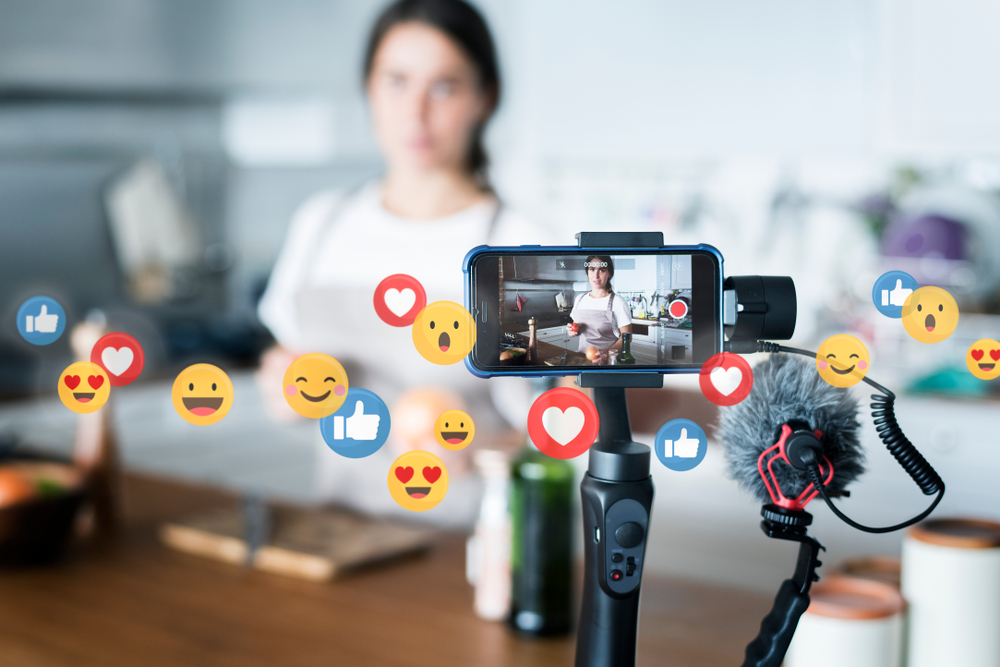
Video content has transformed from a premium marketing luxury into an absolute necessity for businesses looking to survive and thrive in the modern digital ecosystem. Audiences consume billions of hours of digital video every single day across various platforms. The reason for this shift is simple: video communicates complex information, emotional nuance, and brand personality far faster and more effectively than text or static imagery alone.
An optimized video content marketing strategy allows organizations to humanize their operations, simplify complex technical products, and build deep psychological connections with prospective buyers. However, achieving sustained success requires moving past casual smartphone uploads. To stand out, businesses must execute a deliberate, data-backed approach that spans from strategic pre-production to multi-channel distribution.
AI video technology continues to make visual content creation easier for beginners and experienced creators alike. An uncensored ai video generator free option can be useful for testing creative workflows before committing to a paid service. Users can compare generation speed, customization tools, video quality, export options, and usage restrictions to determine which platform best suits their projects.
Phase 1: Aligning Video Formats with the Marketing Funnel
A common mistake in digital marketing is treating video as a single, uniform content type. To drive measurable business results, your video assets must be tailored to address the specific psychological state of your audience at different stages of the buyer journey.
Top of the Funnel: Awareness and Discovery
At this initial stage, your target consumers are completely unfamiliar with your brand or are just beginning to recognize their own pain points. Your goal is not to deliver a aggressive sales pitch; it is to capture attention, entertain, or educate.
-
Educational Explainer Videos: Short, highly engaging animations or live-action videos that break down complex industry trends, common consumer myths, or systemic problems without mentioning your specific product.
-
Short-Form Social Videos: Fast-paced, vertical content designed for mobile feeds. These focus on immediate value, cultural relevance, or behind-the-scenes glimpses that humanize your workforce.
-
Brand Mini-Documentaries: Narrative-driven stories that articulate your organization’s core values, ethical mission, or founding story, fostering immediate trust and emotional alignment.
Middle of the Funnel: Consideration and Evaluation
Once prospects enter this stage, they are actively researching solutions to their problems. They want to understand how your business operates and whether your methodology outclasses your direct competitors.
-
In-Depth Product Demos: Detailed walkthroughs showing your product or software in action. Highlight specific workflows, ease-of-use metrics, and unique features that directly solve customer frustrations.
-
Video Case Studies: Instead of relying entirely on written text, interview your successful clients. Let them explain, in their own words, the challenges they faced before partnering with you and the tangible ROI they achieved afterward.
-
Webinars and Expert Panel Discussions: Long-form, highly informative broadcasts that establish your executive team as trusted subject matter experts, proving your deep mastery over industry challenges.
Bottom of the Funnel: Decision and Retention
At the bottom of the funnel, the prospective customer is on the verge of making a purchase but needs a final nudge to mitigate perceived risks and justify the expenditure.
-
Frequently Asked Questions (FAQ) Videos: Customer service and sales alignment videos that directly answer common objections regarding implementation, pricing tiers, and onboarding times.
-
Onboarding and Tutorial Series: Instructional videos delivered immediately post-purchase to guide customers through setup, ensuring early success and minimizing product returns or subscription cancellations.
Phase 2: Mastering the Production Lifecycle
A structured production process ensures that your creative ideas translate smoothly into high-performing marketing assets without draining corporate budgets or missing launch deadlines.
Pre-Production: The Strategic Blueprint
The success of your video is determined before a camera ever turns on. This phase demands meticulous logistical planning:
-
Scriptwriting: Write dialogue or talking points using conversational, rhythmic language. Read the script aloud multiple times to check for natural pacing and clarity.
-
Storyboarding: Map out the visual composition for every sentence of your script. This guides your production crew on what B-roll footage, animations, or close-up shots are required to keep the audience visually engaged.
-
Location and Asset Management: Secure reliable filming locations, arrange necessary lighting equipment, test microphone systems, and prepare digital graphic assets well in advance.
Production: Technical Execution
During filming, technical precision is just as important as on-camera performance. Pay close attention to these vital elements:
-
Audio Quality: Audiences will tolerate mediocre video resolution, but they will instantly abandon a video with distorted, echoey, or quiet audio. Invest in high-quality lavalier or shotgun microphones.
-
Lighting Arrays: Ensure your subject is clearly separated from the background using a standard three-point lighting system (key light, fill light, and backlight) to avoid flat, amateurish imagery.
-
Framing and Eye-Lines: Follow the classic rule of thirds to position your subjects dynamically within the screen space, keeping their eyes focused slightly off-camera during interviews or dead-center during direct-to-camera tutorials.
Post-Production: Polishing and Editing
The editing process shapes raw footage into a compelling narrative rhythm:
-
Pacing and B-Roll: Cut out filler words, long pauses, and repetitive sentences. Layer relevant b-roll footage, charts, or screen recordings over talking-head segments every few seconds to prevent visual fatigue.
-
Sound Design and Mixing: Incorporate subtle background instrumental tracks that match the emotional tone of the video. Ensure the music volume dips significantly whenever someone speaks so it never competes with the voice track.
-
Captions and On-Screen Text: Up to eighty percent of mobile social media users watch video content with the sound turned completely off. Burning accurate, stylized captions directly into your videos is non-negotiable for maximizing retention.
Phase 3: Platform Optimization and Distribution Strategy
Creating a brilliant video is only half the battle; you must optimize it for the specific digital environments where your audience spends their time.
YouTube: The Long-Form Search Destination
As the second-largest search engine in the world, YouTube rewards structural optimization and contextual depth:
-
Click-Through Optimization: Design custom, high-contrast thumbnails that promise a clear benefit without resorting to misleading clickbait. Craft titles that blend emotional triggers with high-volume search phrases.
-
Metadata Enrichment: Write exhaustive video descriptions packed with relevant search terms, include descriptive video tags, and implement accurate timestamp chapters to help search algorithms categorize your content correctly.
Meta and LinkedIn: Native Feed Strategy
Social feeds are highly competitive and fast-moving. To succeed on LinkedIn, Facebook, or Instagram, you must change your approach:
-
The Three-Second Hook: Deliver your most compelling visual or shocking statement within the first three seconds to disrupt the user’s scrolling habit.
-
Native Uploads: Never post external video links on social networks. Algorithms actively suppress external links to keep users on their own platforms. Always upload your raw MP4 or MOV video files directly into each platform’s native player.
Phase 4: Tracking Success Through Data Analytics
To justify your video production budget and continually refine your approach, look past superficial vanity metrics like total views. Focus instead on actionable behavioral data:
-
Audience Retention Graphs: Analyze the exact second where viewers choose to stop watching your video. A sharp drop-off suggests that a specific segment became boring, confusing, or overly sales-oriented.
-
Click-Through Rate (CTR): Measures the percentage of people who clicked your video after seeing the thumbnail. A low CTR indicates that your title or visual framing needs immediate adjustment.
-
Conversion Rate: Track how many viewers clicked the accompanying call-to-action link in your description or video overlay to download a guide, join a webinar, or request a product demo.
Frequently Asked Questions
What constitutes a view across different social media platforms?
View counts are measured differently depending on the specific platform. For instance, YouTube counts a view after a user watches for at least thirty seconds. Conversely, platforms like Meta, Instagram, and LinkedIn count a view after a user remains on screen for just three seconds, meaning a high view count on social feeds does not automatically equal deep audience engagement.
Can a company run a successful video strategy without on-camera talent?
Yes. Organizations can produce highly lucrative video assets without utilizing on-camera talent by leveraging alternative formats. These include software screencasts, kinetic text typography videos, animated whitepapers, stock-footage montages guided by professional voiceover talent, and heavily illustrated motion graphic presentations.
How can small marketing teams manage video production without expensive equipment?
Modern smartphones possess exceptional camera sensors capable of recording high-definition footage. Small teams can maximize their existing hardware by purchasing affordable accessories, such as a sturdy tripod, a basic clip-on directional microphone to lock down clean audio, and an inexpensive LED ring light to maintain crisp illumination.
What is the ideal length for a B2B marketing video?
Ideal duration depends entirely on the distribution channel and the audience’s intent. Social feed videos should be kept brief, ideally between sixty and ninety seconds. Product explainer videos perform exceptionally well at two to three minutes, whereas educational webinars, masterclasses, and deep-dive case studies can easily maintain audience engagement for thirty to sixty minutes.
How does hosting videos natively on a website impact SEO and page speed?
Uploading massive raw video files directly to your website content management system slows down page load times, which harms your search engine rankings and user experience. Instead, use specialized, cloud-based enterprise video hosting services like Wistia or Vimeo. These platforms deliver highly optimized responsive embed codes that preserve your site speed while providing advanced viewer analytics.
How should a business prioritize between vertical and horizontal video formats?
The priority should match your primary distribution channels. If your target audience consumes content predominantly via mobile devices on platforms like TikTok, Instagram, or YouTube Shorts, prioritize vertical video formats. If your campaigns live primarily on desktop web design layouts, dedicated YouTube resource channels, or within corporate presentation decks, stick with traditional horizontal formats.
What are the best ways to repurpose long-form video content?
A single long-form video asset can supply an editorial calendar for weeks. Cut a forty-minute webinar down into five or six standalone, short-form clips highlighting specific insights for social media feeds. Additionally, transcribe the video audio track to serve as the structural framework for an optimized blog post, an industry newsletter feature, or a downloadable text-based checklist.
Comments are closed.