

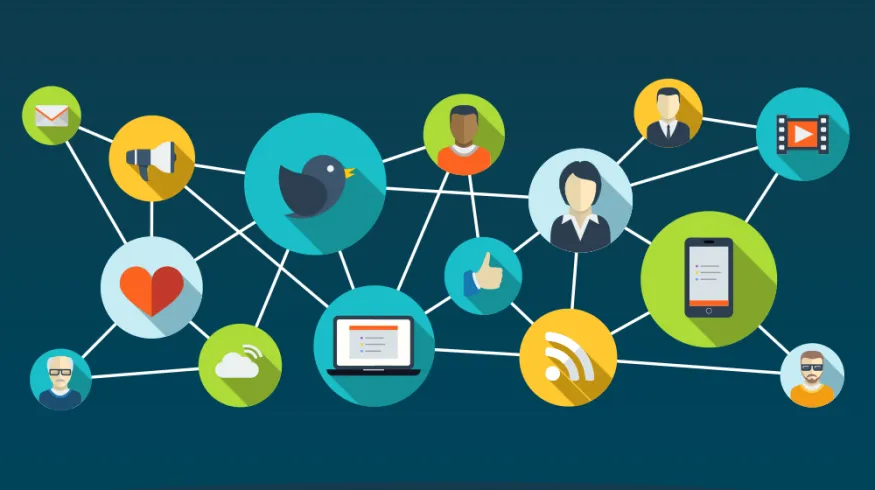
In today’s interconnected world, the concept of networking has evolved beyond its traditional confines of business cards and casual conversations at industry events. It has become a multifaceted skill set that stretches across personal and professional boundaries, weaving a complex web of connections that transcend geographical, cultural, and even disciplinary divides. At its core, networking is about relationships—building and nurturing connections that foster growth, create opportunities, and allow individuals to share knowledge, resources, and experiences. Whether in a corporate setting, an academic institution, or within the realm of social communities, networking plays a critical role in facilitating success and creating a sense of community. As we delve deeper into the evolving landscape of networking, it becomes evident that the power of genuine, strategic relationships extends far beyond surface-level interactions.
The Origins and Evolution of Networking
Historically, networking referred to a process of connecting with others in one’s professional or social circle to exchange information, advice, or resources. The act of networking was often formalized through structured environments like conferences, business meetings, or social gatherings, where professionals would engage in face-to-face discussions to build their networks. This version of networking relied heavily on the physical presence of individuals and was rooted in an economy of human capital—people were the primary assets, and relationships, cultivated through time and shared experiences, were the pathways to success.
As the digital revolution unfolded in the late 20th and early 21st centuries, the nature of networking began to change. The advent of the Internet and social media platforms brought new tools that allowed individuals to build and maintain relationships without the geographical constraints of the past. Platforms such as LinkedIn, Twitter, and Facebook enabled professionals to expand their networks far beyond their immediate surroundings, reaching people across the globe. The rise of online communities and forums facilitated the creation of niche networks focused on specific industries, interests, or expertise, giving birth to a new form of digital networking that embraced virtual spaces and digital interactions.
The Power of Networking in the Modern World
In today’s interconnected world, networking serves as an indispensable tool in many arenas of life, but its most visible and tangible effects are felt in the business and career sectors. From job opportunities to mentorship, networking plays a crucial role in opening doors and creating pathways for individuals to advance in their careers. In fact, research shows that a significant number of job opportunities are never formally advertised and are instead filled through word-of-mouth referrals and personal recommendations. This underscores the importance of cultivating a diverse, well-maintained network—one that can provide support and insight when opportunities arise.
Moreover, networking is no longer a one-way street where individuals simply seek favors or connections from others. Today’s networking landscape is based on reciprocity, where the exchange of knowledge, resources, and support benefits all parties involved. It is about creating a mutual value, where both sides contribute to the development of one another’s careers, ideas, and goals. The modern professional network is not just a collection of contacts; it is a dynamic system of collaboration and cooperation that fosters innovation, knowledge sharing, and growth.
The Building Blocks of Effective Networking
While networking may seem like a simple process of meeting people and shaking hands, the reality is far more intricate. To build a network that is meaningful and productive, one must approach it strategically, with intention and purpose. The key components of effective networking can be broken down into a few fundamental principles: building trust, engaging with authenticity, and offering value.
-
Building Trust: Trust is the cornerstone of any successful relationship, and networking is no exception. Whether in person or online, it is essential to cultivate trust with others by being consistent, reliable, and transparent in your interactions. Trust-building takes time and requires genuine effort—relationships cannot be forged solely for personal gain. True networking is about creating connections based on mutual respect and shared values, which, in turn, create long-term relationships that endure beyond immediate needs.
-
Engaging with Authenticity: One of the most significant shifts in modern networking is the emphasis on authenticity. Gone are the days when networking was about projecting a polished, perfect image. In today’s world, authenticity is valued more than ever. People are drawn to those who are real, transparent, and relatable. Whether attending a networking event, sending a LinkedIn message, or participating in online discussions, it is important to engage with others in a way that reflects who you truly are. Authenticity fosters genuine connections and makes it easier to build rapport with people who share your values and interests.
-
Offering Value: Networking is not a one-sided endeavor—it thrives on the concept of giving as much as receiving. Offering value to others is a critical aspect of building a successful network. This can be as simple as sharing useful information, providing support, offering an introduction, or contributing to a conversation. When you offer value, you demonstrate that you are invested in the success of others, and in turn, people are more likely to be supportive of your own goals. Offering value creates a sense of reciprocity that strengthens relationships and nurtures long-lasting bonds.
The Digital Transformation of Networking
The digital age has significantly changed the landscape of networking, making it easier to connect with people from around the world at any time. The rise of social media platforms and professional networks like LinkedIn has created virtual spaces where individuals can engage in meaningful conversations, share insights, and build relationships without physical boundaries. In particular, LinkedIn has become the go-to platform for professionals, offering a space where individuals can showcase their skills, share accomplishments, and connect with industry leaders, potential collaborators, or future employers.
At the same time, the digital revolution has also introduced new challenges to the networking process. While it is easier than ever to find and connect with people, the sheer volume of online interactions can sometimes make it difficult to distinguish between genuine connections and superficial ones. The key to successful digital networking lies in navigating these platforms with discernment, focusing on quality over quantity. One must be strategic about how they approach digital interactions, making sure that their online presence reflects their authentic self and fosters meaningful conversations.
Networking Beyond Career: Personal and Social Impacts
While much of the discourse around networking is focused on professional and career advancement, the benefits of networking extend far beyond the workplace. Social networks, in particular, can serve as powerful tools for building relationships that enhance one’s quality of life. Whether through support groups, hobby communities, or interest-based organizations, networking allows individuals to expand their social circles and form lasting friendships.
Moreover, networking also plays a vital role in the realm of mentorship. The connections that are made through networking can lead to valuable mentoring relationships, where experienced professionals or individuals guide others in their personal and professional growth. Mentorship, based on trust and shared experience, is an invaluable resource that can significantly impact one’s trajectory in life.
The Future of Networking: Embracing Diversity and Inclusion
As the world becomes more interconnected, the future of networking will be shaped by the increasing emphasis on diversity and inclusion. A truly effective network is one that is not homogenous but one that incorporates individuals from varied backgrounds, perspectives, and experiences. Building a diverse network fosters creativity, innovation, and a deeper understanding of the world. It also allows individuals to tap into a broader range of resources, insights, and opportunities that they might not otherwise encounter in a more narrow network.
In the coming years, networking will likely continue to evolve, incorporating new technologies like artificial intelligence (AI) and virtual reality (VR). These technologies have the potential to revolutionize how people interact with one another, creating new opportunities for digital connections and collaboration.
Conclusion: The Enduring Value of Networking
Networking, in its essence, is about building relationships. It is about connecting people, sharing knowledge, and offering mutual support in ways that help everyone thrive. In a world where technology is constantly reshaping how we work, communicate, and live, the art of networking remains one of the most enduring and valuable skills. As we navigate an increasingly digital and globalized world, mastering the principles of effective networking will continue to be essential—not only for professional success but also for personal growth, fulfillment, and the creation of meaningful connections that transcend borders and time. Ultimately, networking is not just about advancing one’s career; it is about enriching one’s life through the relationships we build along the way.
Comments are closed.